The dangers to your word mark
A word mark is valuable – and vulnerable. Those who know the typical dangers spot them early and can act before harm arises. Here you'll find the complete overview.
Registered doesn't mean protected
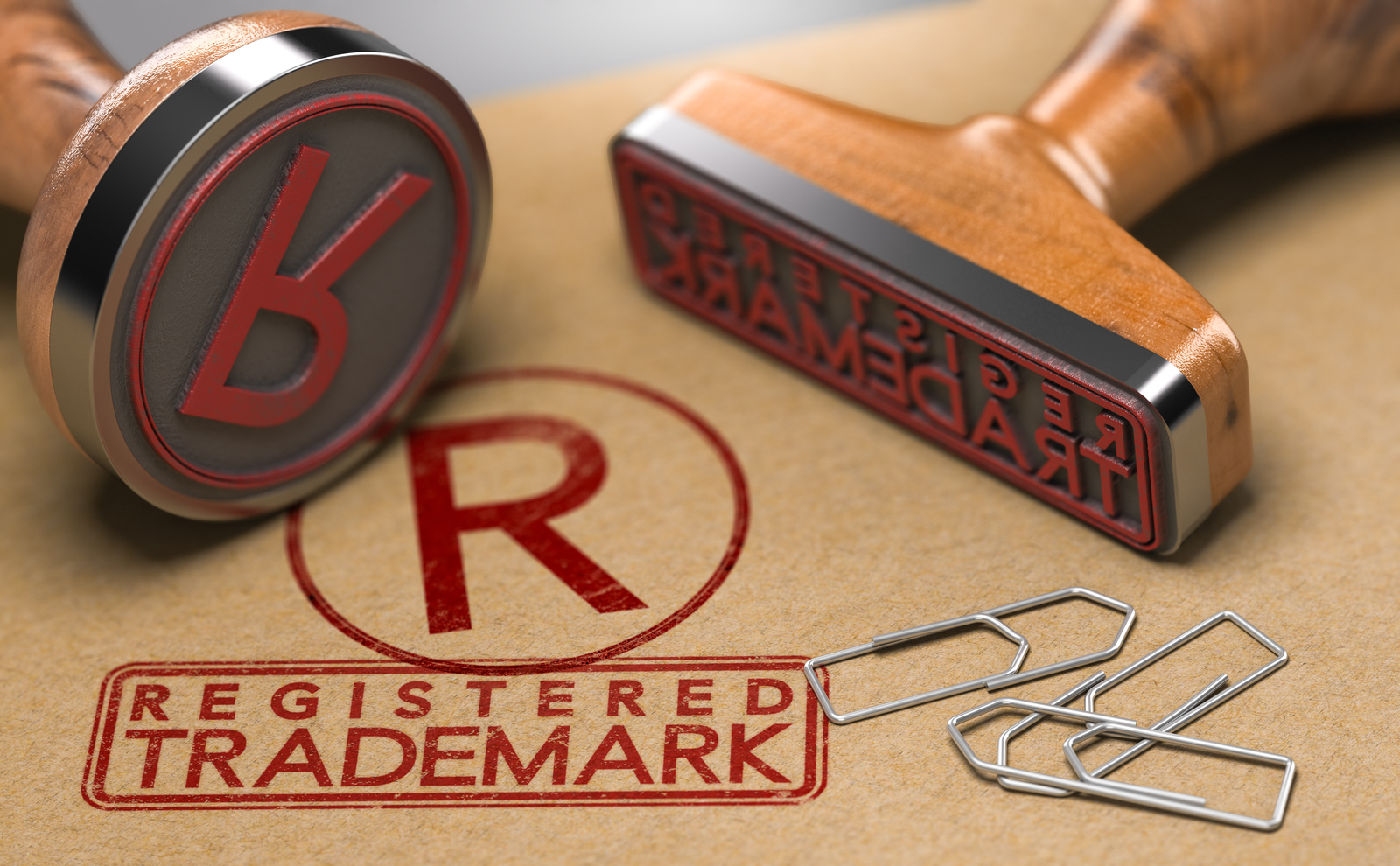
Registration with the Swiss Federal Institute of Intellectual Property (IPI) gives you a right – but does not monitor it. Whether someone files an identical or similar trademark, you have to spot yourself. It is precisely from this gap that most dangers arise.
Why dangers arise at all
Trademark law is a first-to-file right: protected is whoever files first – and who actively defends their right. The office, however, does not examine a new filing against existing trademarks on its own initiative and does not notify you. A new trademark is published nonetheless, and from that point a deadline runs within which you can file an opposition.
Those who do nothing during this time risk a confusingly similar trademark becoming established. The longer two similar signs coexist, the weaker your unique feature becomes – and the harder and more expensive later enforcement gets.
The life cycle of a trademark conflict
Your registration
Your word mark is protected – but the office does not monitor.
New filing
Someone files an identical or similar word mark.
The deadline passes
Without a reaction, the filing stands.
Too late
Enforcement becomes hard and expensive – often in court.
The main dangers at a glance
Identical filing
Someone files exactly your trademark name – the most obvious conflict, but not the most frequent.
Similar trademarks
Signs similar in sound, spelling or meaning create a likelihood of confusion – the most frequent cause.
Missed deadline
If the opposition period after publication is missed, simple defence is gone.
Dilution
If you tolerate many free-riders, your trademark loses distinctiveness – down to becoming a generic term.
Exploitation of reputation
Well-known trademarks are deliberately imitated to profit from their good reputation.
Domains & social media
Similar names appear first as a domain or social handle – often months before the trademark filing.
The four types of similarity
Likelihood of confusion arises not only from identical names. Trademarks are compared on three levels of perception – sound, spelling and conceptual meaning – and the combination of word elements also plays a role. Even similarity on a single level can suffice. On the following pages we explain each type with examples of well-known trademarks.
Well-known cases show what's possible
The Swiss Federal Supreme Court ruled in 2022 that Lidl's chocolate bunny was confusingly similar to the Lindt gold bunny – consumers could not tell the shapes apart in their memory.
The lesson: The overall impression and the imperfect memory image decide, not the direct detailed comparison.
Federal Supreme Court, 4A_587/2021, 2022
Apple went after the logo of a small Bonn café showing an apple with a child's face. After a long dispute, the group backed down.
The lesson: Even well-known trademarks monitor actively – and similarity is interpreted broadly.
DPMA proceedings, 2011–2013
In the dispute with the Irish chain Supermac's, McDonald's lost part of the Big Mac trademark protection before the EU court in 2024, for lack of proof of use.
The lesson: A trademark must not only be held but also used and defended.
EU General Court, T-58/23, 2024
In 2023, OpenAI sought to register its own name as an EU word mark for software and AI services. In 2026, the EU General Court upheld the refusal: 'open' + 'AI' is purely descriptive.
The lesson: A name that describes the offering gets no protection – no matter how famous it is.
EU General Court, T-555/25, 2026
Spotting early is simple – and cheap
You don't have to search the registers yourself. An automatic early-warning system reports confusingly similar filings while you can still react easily. And you can start for free.
Keep your trademark in view
Set up your free monitoring in two minutes – no credit card.
This article is for information and does not constitute legal advice. The cases mentioned are publicly reported examples for illustration.